Skip to content




Craftsmanship and Artistry
Why Genuine Leather Might Be the More Sustainable Choice
By The Leather Collection
• 2 Minutes Read
When we think “sustainability,” we often picture reusable bottles, recycling bins, or solar panels. But what about the materials we use every day—like the bag you carry or the shoes on your feet?
Genuine leather sparks debate, but when you look closely, it may actually be one of the smarter, more sustainable choices. Here’s why.
1. It’s a By-Product, Not the Problem
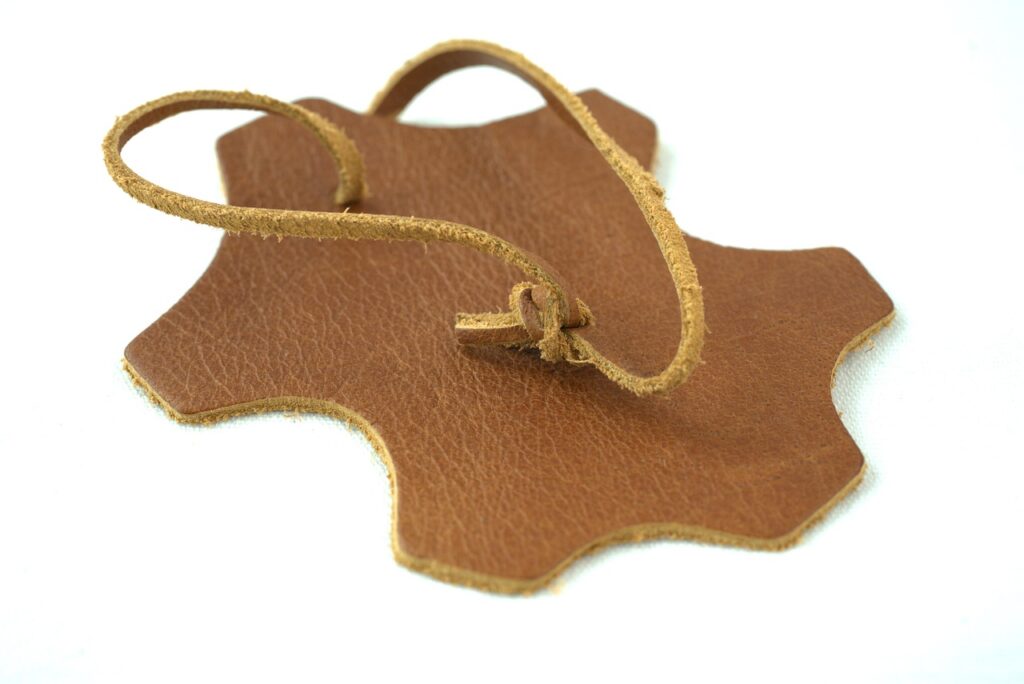
Leather isn’t the reason animals are raised—the meat and dairy industries are. Hides would otherwise go to waste, often ending up in landfills. Using them gives this material a second life instead of letting it rot unused.
2. It Lasts—Really Lasts
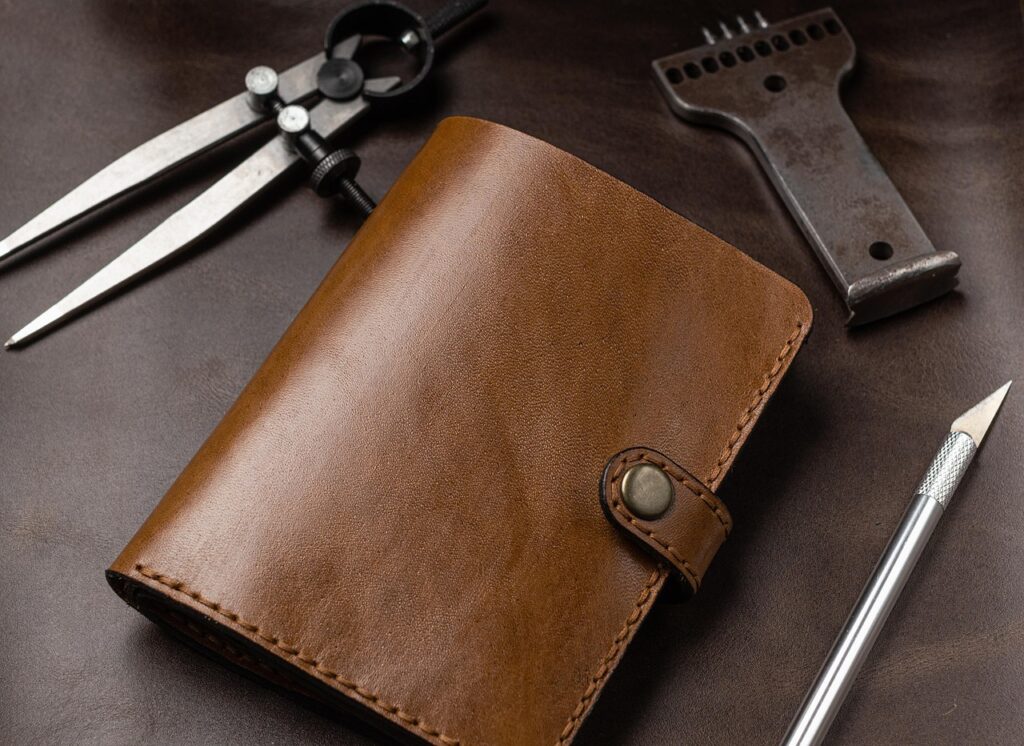
Unlike synthetic “vegan leathers” (usually plastics like PU or PVC) that crack and peel within a few years, real leather can last decades with care. The longer something lasts, the less you replace it—saving resources, money, and waste.
3. Cleaner Production is Taking Over
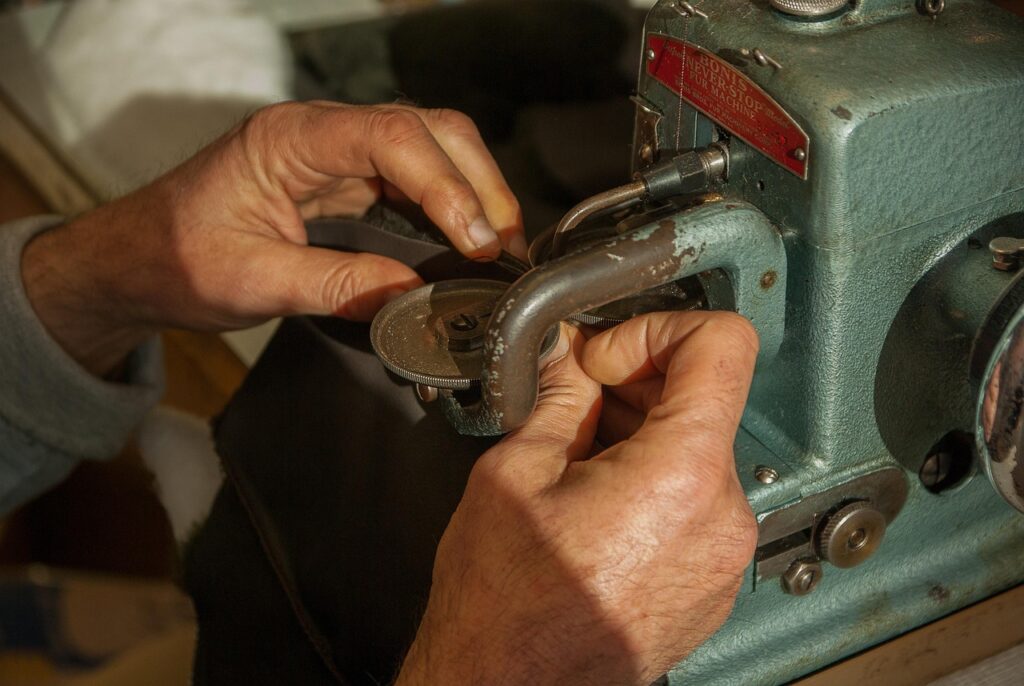
Yes, leather tanning once had an environmental downside. But the industry is changing fast. Programs like ZDHC are pushing for cleaner practices, water recycling, and chemical-free processes. Many modern tanneries are already meeting these higher standards.
4. It Breaks Down Naturally
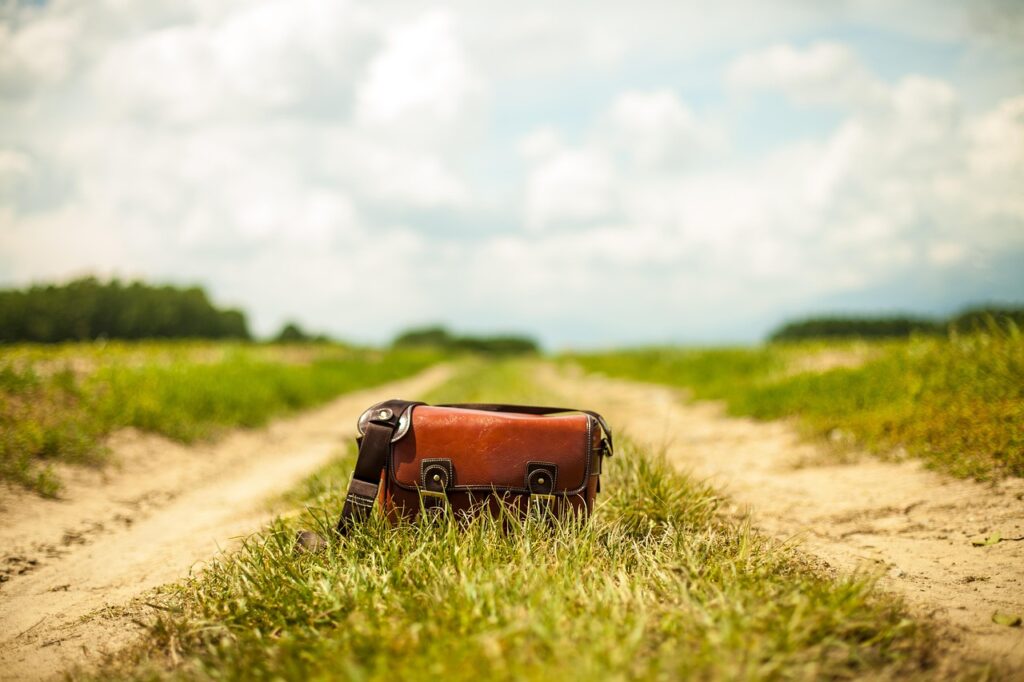
Most synthetic leathers are plastic—and plastic lingers for centuries. Leather, on the other hand, is biodegradable. Vegetable-tanned leather breaks down even faster, making it an end-of-life win for the planet.
5. Its Carbon Footprint Isn’t What You Think
Much of leather’s footprint comes from livestock farming, but that impact exists whether the hides are used or not. Since leather is a by-product, many experts argue it only carries a fraction of those emissions.
The Bottom Line
A synthetic bag may cost less at first, but it likely won’t survive more than a couple of years before cracking and heading to the landfill. A high-quality leathergoods? It can be with you for decades. That longevity makes it more than a style choice—it’s a sustainable one.
Make a conscious choice for the planet—choose leather that lasts, reduces waste, and supports a more sustainable future one purchase at a time.
References:
Carbonfact.Leather Carbon Impact.
Durlicouros. Life cycle: Real leather vs fake leather.
J Wood Leathers. Chrome vs. Vegetable-Tanned Leather: Which is more sustainable?
Leather Naturally. The Real Connection Between Leather and the Meat Industry.
Leather Naturally. Sustainability.
ZDHC. About the ZDHC Roadmap to Zero.